

banking accessibility shapes user experience Key Takeaways
Accessible banking isn’t just about compliance—it’s the foundation of a seamless, trustworthy digital experience.
- banking accessibility shapes user experience by removing barriers for people with disabilities, older adults, and non-native speakers—boosting satisfaction for everyone.
- Common mistakes like poor contrast, confusing navigation, and lack of screen reader support drive customers away and increase support costs.
- Proven best practices—such as inclusive design testing, multilingual interfaces, and simplified workflows—can transform a bank’s digital presence into a competitive advantage.
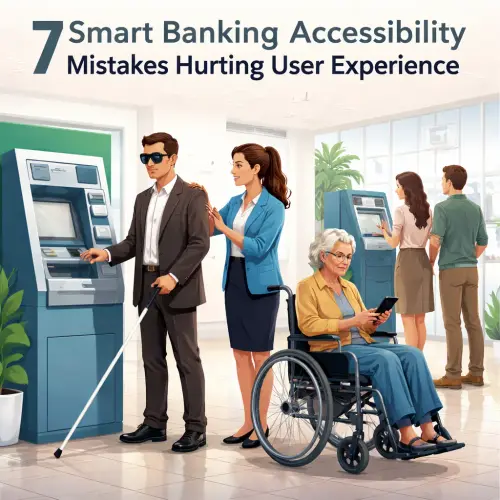
Why banking accessibility shapes user experience More Than Ever
Digital banking has become the primary way millions manage money. Yet many apps and websites still exclude people with visual, motor, auditory, or cognitive disabilities. When customers struggle to read text, navigate menus, or complete transactions, they don’t just feel frustrated—they lose trust. For a related guide, see 6 Banking Features Users Prioritize Before Depositing Smartly.
That’s why banking accessibility shapes user experience at every touchpoint: from logging in to checking balances to applying for loans. An accessible platform benefits everyone, including those using mobile devices in bright sunlight or people with temporary injuries. Financial inclusion isn’t a niche concern; it’s a core business requirement.
The Real Cost of Inaccessible Banking
When a banking app fails accessibility standards, banks pay twice. First, they lose customers who switch to more usable competitors. Second, they face increased support volume from confused users. According to the World Health Organization, over 1 billion people worldwide experience some form of disability. Ignoring this audience means leaving revenue on the table.
7 Smart Banking Accessibility Mistakes That Hurt User Experience
Below are the most common pitfalls banks make—and how to avoid them. Each mistake directly impacts accessible banking user experience and can be fixed with thoughtful design. For a related guide, see Banking Delays That Frustrate Casino Users: 5 Critical Mistakes to Avoid.
1. Ignoring Screen Reader Compatibility
Screen readers like JAWS, NVDA, and VoiceOver convert text to speech for blind users. Many banking sites label buttons with vague terms like “Click here” or fail to provide alt text for images. Without proper ARIA labels and semantic HTML, users cannot complete basic tasks like transferring funds or paying bills.
Fix: Test every form and navigation element with a screen reader. Use descriptive labels such as “Pay credit card bill” instead of “Submit.” The W3C Web Accessibility Initiative offers excellent testing guidelines for developers.
2. Low Contrast Text and Small Touch Targets
Gray text on light backgrounds is a common aesthetic choice—but it excludes users with low vision. Similarly, buttons smaller than 44×44 pixels are difficult for people with motor impairments to tap accurately on mobile devices.
Fix: Follow WCAG 2.2 contrast ratios (4.5:1 for normal text, 3:1 for large text). Size interactive elements generously and provide visual feedback on hover and focus.
3. Complex Navigation That Overwhelms Users
Many banking apps cram dozens of options into a single menu. This creates cognitive overload, especially for older adults or people with anxiety. When users cannot find “transfer money” or “view statements,” they abandon the task.
Fix: Prioritize the most common actions. Use clear headings, a logical information hierarchy, and a persistent search bar. Simplify paths to core features so that financial inclusion design becomes a natural outcome.
4. Lack of Multilingual Support
Not all customers speak the bank’s primary language. Without translations or language toggles, non-native speakers misinterpret account details, fees, or security prompts—leading to costly errors.
Fix: Offer at least 2–4 major languages relevant to your customer base. Use professional translation, not machine-only output. Provide an obvious language switcher on every page.
5. Timeout Errors Without Warning
Users with disabilities often need more time to complete forms. A 60-second session timeout that logs them out without notice causes frustration and lost work.
Fix: Implement “inactivity warnings” that give users at least 2 minutes to extend their session. Better yet, avoid timeouts on non-sensitive pages like balance checks.
6. Overuse of CAPTCHA and Authentication Barriers
Visual CAPTCHAs prevent screen reader access. Complex multi-factor authentication without accessible alternatives also blocks users with cognitive disabilities.
Fix: Offer audio CAPTCHAs or puzzle alternatives. For MFA, support hardware tokens and authenticator apps that work with assistive technology.
7. No User Testing With People Who Have Disabilities
Designing for accessibility on paper is not enough. Without direct feedback from users with disabilities, banks miss real-world friction points.
Fix: Recruit a diverse panel of testers, including blind users, deaf users, and people with motor impairments. Incorporate their feedback into regular sprint cycles.
How banking accessibility shapes user experience Across Trust, Satisfaction, and Reach
When banks fix these mistakes, the impact goes far beyond compliance. Let’s examine three specific areas where banking accessibility shapes user experience most powerfully.
Trust and Credibility
An accessible app signals that the bank respects all customers. Users who can complete tasks independently feel confident and valued. In contrast, error-prone or confusing interfaces erode trust quickly. Research from the Pew Research Center shows that trust is the top factor in choosing a financial institution.
Customer Satisfaction and Retention
When a banking app works seamlessly for everyone, satisfaction scores rise. Simple interfaces reduce support calls and increase Net Promoter Scores. Satisfied customers stay longer and recommend the bank to others.
Financial Inclusion for Underserved Communities
Accessible design directly supports financial inclusion. People with disabilities, older adults, and those in rural areas with limited broadband often rely on mobile banking. By removing barriers, banks help these groups manage money independently—a win for both the bottom line and social responsibility.
Best Practices for UX for banking apps That Prioritize Accessibility
Implementing accessibility isn’t a one-time project. It requires ongoing commitment. Follow these practices to ensure long-term success.
Adopt a Universal Design Mindset
Design for the widest possible audience from the start. Use clear typography, consistent layouts, and logical flows. Avoid relying solely on color to convey information—add icons and labels.
Test Early and Often
Include accessibility checks in every design and development phase. Use automated tools like Axe or Lighthouse, but also conduct manual testing with assistive technologies. Involve real users with disabilities in usability studies.
Prioritize Performance
Slow load times disproportionately affect users with cognitive or motor disabilities. Optimize images, minify code, and cache resources. A fast app is a more accessible app.
Train Your Team
Educate designers, developers, and product managers on accessibility standards. Make WCAG 2.2 compliance a shared goal. Provide resources and time for learning.
Useful Resources
For deeper guidance on implementing accessible banking UX, explore these authoritative sources:
- Web Content Accessibility Guidelines (WCAG) 2.2 – The global standard for digital accessibility, including detailed criteria for forms, navigation, and error handling.
- Nielsen Norman Group: Accessibility in UX – Practical research and articles on how inclusive design improves overall user experience.
Frequently Asked Questions About banking accessibility shapes user experience
What is banking accessibility ?
Banking accessibility means designing digital banking tools—apps, websites, ATMs—so that people with disabilities can use them independently, including those with visual, auditory, motor, or cognitive impairments.
Why does banking accessibility matter for user experience?
Accessibility removes barriers, reduces friction, and builds trust. When customers can easily navigate and complete tasks, satisfaction increases and support costs drop.
What are the most common accessibility mistakes in banking apps?
Common mistakes include low contrast text, tiny touch targets, missing screen reader support, confusing navigation, lack of multilingual options, and overly aggressive session timeouts.
How does screen reader compatibility affect banking UX?
Without proper ARIA labels and semantic HTML, screen reader users cannot understand forms, buttons, or navigation—making basic tasks like transfers impossible.
What does WCAG mean for banking apps?
WCAG (Web Content Accessibility Guidelines) provides measurable criteria for making digital content accessible. Following WCAG 2.2 Level AA is the industry benchmark for legal compliance and good UX.
Can accessibility actually improve UX for all users?
Yes. Many accessibility features—like simple language, good contrast, and large buttons—benefit everyone, including people in bright sunlight, older adults, or those with temporary injuries.
How does banking accessibility support financial inclusion?
Financial inclusion means giving underserved groups—such as people with disabilities, those in rural areas, or non-native speakers—equal access to banking services. Accessible design removes key barriers.
What role does multilingual support play in accessibility?
Multilingual support helps non-native speakers understand terms, fees, and instructions. It reduces errors and makes banking less intimidating for immigrants and refugees.
Are there laws requiring banks to be accessible?
Yes. In the US, the Americans with Disabilities Act (ADA) and Section 508 apply. In the EU, the European Accessibility Act mandates accessible digital services, including banking.
How do session timeouts affect users with disabilities?
Users with cognitive or motor disabilities often need extra time. Sudden timeouts without warning can cause lost work and frustration. Always provide extendable sessions.
What is the best way to test banking app accessibility?
Combine automated tools (like Axe, Lighthouse) with manual testing using real screen readers (JAWS, NVDA, VoiceOver). Most importantly, conduct usability tests with people who have disabilities.
Do accessibility improvements cost a lot of money?
Fixing accessibility early in design is cost-effective. Retrofitting an existing app can be more expensive, but the ROI from increased customer retention and reduced support calls often outweighs the investment.
What are ARIA labels and why do they matter?
ARIA (Accessible Rich Internet Applications) labels provide extra information for screen readers. They help users understand the purpose of elements like buttons, sliders, and live region updates.
How can banks make authentication more accessible?
Offer alternatives to visual CAPTCHA (audio or puzzle-based), support hardware tokens, and allow biometric logins like fingerprint or face recognition that work with assistive tech.
What is the difference between inclusive design and accessible design?
Accessible design focuses on meeting standards for people with disabilities. Inclusive design aims to create solutions usable by the broadest range of people, regardless of ability or context.
Do mobile banking apps need different accessibility features than websites?
Yes. Mobile apps must consider touch target size, gesture navigation, screen orientation, and compatibility with platform-specific screen readers like TalkBack (Android) and VoiceOver (iOS).
How can banks measure the impact of accessibility improvements?
Track metrics like task success rate, support call volume, session abandonment rate, and customer satisfaction (CSAT) scores before and after accessibility changes.
What is the most overlooked accessibility feature in banking?
Many banks overlook “error identification” — providing clear, text-based error messages that explain what went wrong and how to fix it, rather than just a red border or generic alert.
Does accessibility affect SEO for banking websites?
Indirectly, yes. Semantic HTML, descriptive alt text, and proper heading structure improve both accessibility and search engine rankings. Google rewards sites that are easier to crawl and understand.
What is the first step a bank should take to improve accessibility?
Conduct an accessibility audit using both automated tools and manual checks. Then prioritize fixes based on impact—start with critical barriers like screen reader compatibility and contrast ratios.