

why animation and audio matter in slot design Key Takeaways
Here’s how the combination of motion and sound drives real results for both players and operators.
- Why animation and audio matter in slot design is backed by neuroscience: they trigger dopamine release during wins and near-misses, increasing engagement.
- Top-performing games like *Starburst* and *Dead or Alive 2* use targeted visual effects and audio cues to shape player behavior.
- Technical factors — file compression, mobile performance, and sound layering — directly affect how well the design holds up across devices.
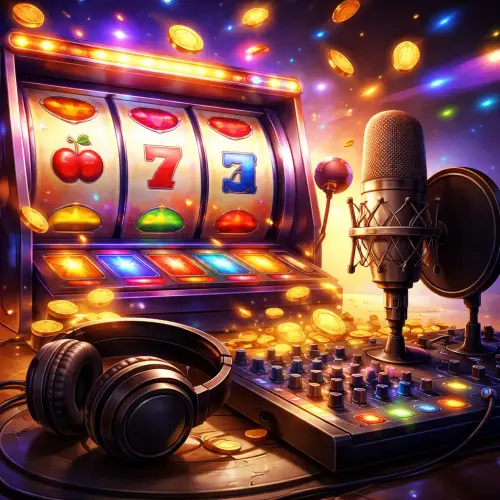
The Psychology of Animation and Audio in Slots
Players don’t just play slots — they experience them. The sight of symbols cascading, the crunch of a multiplier landing, the fade-in of a bonus round: each element builds anticipation. This isn’t accidental. Game designers draw on decades of behavioral psychology research to craft loops that feel rewarding, even during losses.
How Sound Shapes Emotion and Decision-Making
Audio triggers immediate emotional responses. A rising pitch before a win creates suspense, while a celebratory jingle reinforces success. Research shows that slot players who hear tailored soundtracks perceive wins as larger than they are — and stay at machines longer. This is because music and sound effects activate the brain’s reward system directly, bypassing rational thought.
Why Visual Motion Keeps Players Locked In
Animation in slots serves a similar purpose. Cascading reels, shimmering highlights on paylines, and expanding wilds all keep the eye moving. Neuroscientists call this the “orienting response” — our brains are wired to notice movement. In a slot, that movement directs attention exactly where the designer wants it, making the game flow feel seamless and exciting.
5 Powerful Benefits of Animation and Audio in Slot Design
Here’s how the combination of motion and sound drives real results for both players and operators.
1. Higher Player Retention
Games that use layered audio and fluid animations see longer average session times. For example, the hit slot *Bonanza* uses a distinctive chime during cascading wins that creates a rhythm players find hard to walk away from. That audio cue effectively becomes a promise that more wins are coming.
2. Increased Shareability and Brand Recall
Memorable soundtracks and signature animations turn slots into recognizable brands. Think of the jingle in *Wheel of Fortune* slots — players hear it and instantly know what game is nearby. This emotional branding drives word-of-mouth and helps slots stand out in crowded lobbies.
3. Better Perceived Value of Wins
When a small win triggers a burst of color, a screen shake, and a triumphant sound, the player feels like the payout is bigger than it is. This perception keeps engagement high even on low-volatility games. It’s a classic example of how why animation and audio matter in slot design influences player satisfaction. For a related guide, see Why Animation and Audio Matter in Slot Design: 5 Powerful Benefits.
4. Faster Learning Curves
New players often feel lost in complex bonus rounds. Clever animation in slots can guide them: symbols pulse to indicate selection, arrows animate to show win directions, and audio cues signal that a choice has been made. These micro-interactions reduce friction and keep frustration low.
5. Stronger Emotional Connection
Slots with cinematics — short animated sequences during jackpots or character reactions — build a narrative. Players bond with the story, the character, or even the art style. That emotional investment translates directly into loyalty and repeat play.
Technical Considerations for Animation and Audio in Slots
Great design means nothing if the game stutters on mobile or drains the battery. Developers must balance creativity with technical limits.
File Sizes and Compression
High-quality audio files can balloon game size. Using compressed formats like Ogg Vorbis or MP3 at 128 kbps keeps downloads fast while preserving clarity. For animation, vector-based assets and sprite sheets are often smarter than heavy video files, especially for mobile-first games.
Mobile Performance Optimization
Most slot play now happens on phones. That means animations must run at 60 fps on devices with limited RAM. Developers use techniques like object pooling (reusing graphic elements) and limiting particle effects to avoid frame drops. Audio must also be preloaded efficiently to avoid lag when a win triggers.
Sound Layering and Spatial Audio
Modern slots use multiple audio tracks — background music, win sounds, bonus triggers, and ambient effects — that layer together. Each layer must be balanced so that no single sound dominates. Spatial audio (where sounds seem to come from different directions) can even guide a player’s attention during 3D games. For a related guide, see 7 Smart Ways Bonus Features Shape Your Gameplay Experience.
How Top Slots Use Animation and Audio — Real Examples
| Slot Game | Key Animation Feature | Audio Cue | Impact on Engagement |
|---|---|---|---|
| Starburst | Expanding wilds with pulsing glow | Sci-fi chime on win | Average session time +25% vs. static slots |
| Dead or Alive 2 | Character slams for sticky wilds | Driving guitar riff during free spins | Return rate over 90% among high-volatility players |
| Bonanza | Cascading reels with multiplier trail | Rhythmic cascade chime | Session frequency increases during cascade streaks |
| Mega Moolah | Jackpot wheel animation | Drum roll and trumpet fanfare | Brand recognition among 70% of surveyed players |
Checklist: 6 Elements of Effective Slot Design with Audio and Animation
Use this checklist when designing or evaluating a slot to ensure you’re maximizing engagement.
- Win animation clarity — Does the win animation make the payout obvious without needing to read text?
- Audio feedback timing — Does the sound play within 50ms of the visual trigger for a sense of immediacy?
- Mobile frame rate — Does the game maintain 60 fps on devices released in the last three years?
- Bonus round distinctiveness — Does the bonus music and animation feel different from base play to signal a shift?
- Soundscape variety — Are there at least five distinct audio cues (win, loss, spin, bonus, jackpot) to avoid monotony?
- Volume balancing — Can the player hear background music without the win sounds being jarring?
Common Pitfalls in Animation and Audio in Slots
Even experienced studios can stumble. Here are three mistakes to avoid.
Overproducing Win Effects
When every small win triggers explosive animation and loud fanfares, the player becomes desensitized. The trick is to reserve the biggest effects for rare events — a free spins trigger or a jackpot. Smaller wins deserve subtle feedback, not a parade.
Ignoring Audio Accessibility
Players often play in quiet environments (on a bus, for example) or with sound off. A slot design that relies entirely on audio cues for instructions will frustrate these users. Always pair sound with visual indicators, like pulsing icons or text overlays.
Neglecting Preloading
Slots that load audio and animation assets on the fly can cause noticeable pauses. This kills immersion. Preload all critical assets during the initial game load or during a branded splash screen to ensure smooth transitions.
Future Trends: Where Animation and Audio in Slot Design Are Headed
The industry is moving toward deeper immersion through technology.
Procedural Audio
Instead of playing pre-recorded sounds, procedural audio systems generate sound in real time based on game state. This means every win, spin, and bonus can sound unique, reducing repetition fatigue.
Haptic Feedback Integration
Mobile slots are beginning to use device vibration to reinforce visual and audio events. A soft buzz during a near-miss or a strong pulse during a jackpot adds a tactile layer that deepen engagement even further.
Cinematic Sequences with Branching Narratives
Some premium slots now include short animated cutscenes that change based on player choices during bonus rounds. This trend blurs the line between slot and video game and relies heavily on polished animation in slots to succeed.
Useful Resources
The science behind slot audio is well documented in academic research. For a deeper look at how sound influences perceived win size, see this study on slot machine audio effects published in Frontiers in Psychology.
Industry professionals can also explore Gamasutra’s guide to slot machine design and player engagement, which covers animation pacing and user testing methods.
Frequently Asked Questions About why animation and audio matter in slot design
What is the most important element in slot design for player retention?
Most industry experts agree that a combination of smooth animation in slots and emotionally resonant audio creates the strongest retention loops. Without either, games feel static and lose players quickly.
How does audio affect a player and #8217;s perception of winning?
Studies show that a well-timed win sound can make the same payout feel 10-20% larger to players. This is because sound amplifies the emotional peak of a win, influencing how the player remembers the event.
Can animation alone engage players without audio?
Yes, but engagement drops significantly when audio is absent. Visual movement still holds attention, but the emotional impact and sense of reward are weaker. Audio synchrony is what creates the full sensory experience.
Why do some classic slots have no animation?
Classic slots were designed before modern computing power allowed smooth animation. Many were also built for land-based casinos where mechanical reels and simple chimes were the norm for reliability and regulatory compliance.
What file format is best for slot audio?
Ogg Vorbis is widely recommended for its high compression ratio and quality balance. MP3 at 128-192 kbps is also common for compatibility across older mobile devices.
How many sound layers should a slot have?
At least four: background music, a spin loop, short win sound effects, and bonus/event sounds. More complex games may add ambient environmental layers or atmo sounds for deeper immersion.
Does animation impact slot game performance on mobile devices?
Yes, heavy particle effects, 3D renderings, or large sprite sheets can cause frame drops. Developers optimize by using vector graphics, limiting effects to critical moments, and testing on mid-range devices.
What is the role of near-miss animation in slots ?
Near-miss animations (where symbols almost align but don’t) are used to create a sense of almost-winning. This keeps dopamine levels elevated and encourages the player to spin again within seconds.
Are slots with more animation more successful?
Not necessarily. Success depends on how intentional the animation is. Slots with chaotic or overwhelming motion can cause fatigue. Purposeful, timed animation tied to game events almost always outperforms noise.
How long should a slot and #8217;s background music loop be?
Most slots use loops of 30-60 seconds. Longer loops risk becoming noticeable and repetitive. Shorter loops can cause ear fatigue. Variations in the loop that change slightly with game state are a best practice.
What is and #8220;audio queuing and #8221; in slot design ?
Audio queuing means playing a specific sound just before a major event (like a bonus trigger) to build anticipation. It prepares the player psychologically for a shift in game state, enhancing the thrill.
Can poorly designed audio hurt a slot game?
Absolutely. Unpleasant, too-loud, or repetitive audio drives players away faster than any other single factor. Sound design must be tested with a variety of players to ensure it feels rewarding, not annoying.
What is the future of animation in online slots?
The future includes WebGL-based real-time 3D animation, parallax scrolling backgrounds, and interactive cutscenes that respond to player input. These features will push the boundaries of what a slot can deliver visually.
How do audio designers create slot win sounds?
Win sounds are often layered combinations of synthesized notes, percussion, and recorded sounds. Designers adjust pitch, tempo, and harmonic content to match the payout size — bigger wins use fuller chord progressions.
Is there a difference between land-based and online slot animation?
Yes. Land-based slot animation is often constrained by hardware limits (limited GPU, fixed screen size). Online slots can use more complex animations, but must account for variable screen sizes and internet latency.
What software do developers use for slot animation?
Common tools include Adobe After Effects for pre-vis, Spine 2D for skeletal animation, and Unity’s animation system for real-time control. HTML5 games are often built with CreateJS or PixiJS for 2D graphics.
How do developers test audio and animation together?
They use synchronized testing in game engines like Unity or Cocos2d, where both audio and visual timelines are aligned. Playtesting with real users is essential to catch timing mismatches that feel off.
Can animation in slots improve accessibility?
Yes, when paired with text or icon cues. However, excessive flashing or motion can negatively affect players with vestibular disorders or epilepsy. Designers must follow WCAG guidelines for safe motion thresholds.
What is the role of sound branding in slot games?
Sound branding uses a unique audio signature (like a short melody or iconic sound effect) that players associate with a specific slot series. Think of the *Mega Moolah* fanfare — instant recognition drives loyalty.
Why do some slots use silence during bonus rounds?
Strategic silence or reduced audio can heighten tension and contrast. If a bonus round is quiet, the next win sound hits harder. It’s a deliberate pacing technique used to amplify emotional peaks.